
Intent to erase
An essay on not quieting the violence

As I keep telling people, I haven’t gotten to see the farthest-flung outposts of Montana very often in February. But I recently planned a trip to the HiLine and as luck would have it, the weather cooperated.
The HiLine, as I’ve written a few times before, is the name for both the railroad and Highway 2, which run about 40 miles south and parallel to the Medicine Line, or the international border with Canada. It is known for the absoluteness of its seasons: brutal winters characterized by blizzards and winds that punch semi-trucks onto their sides, blazing summers where a grassfire can scorch acres in minutes, thunderheads castling into a wide open sky.
That northern tier of this state is stunning in its vastness, cerulean doming over a yellowing prairie, the wind needling into one’s skin.
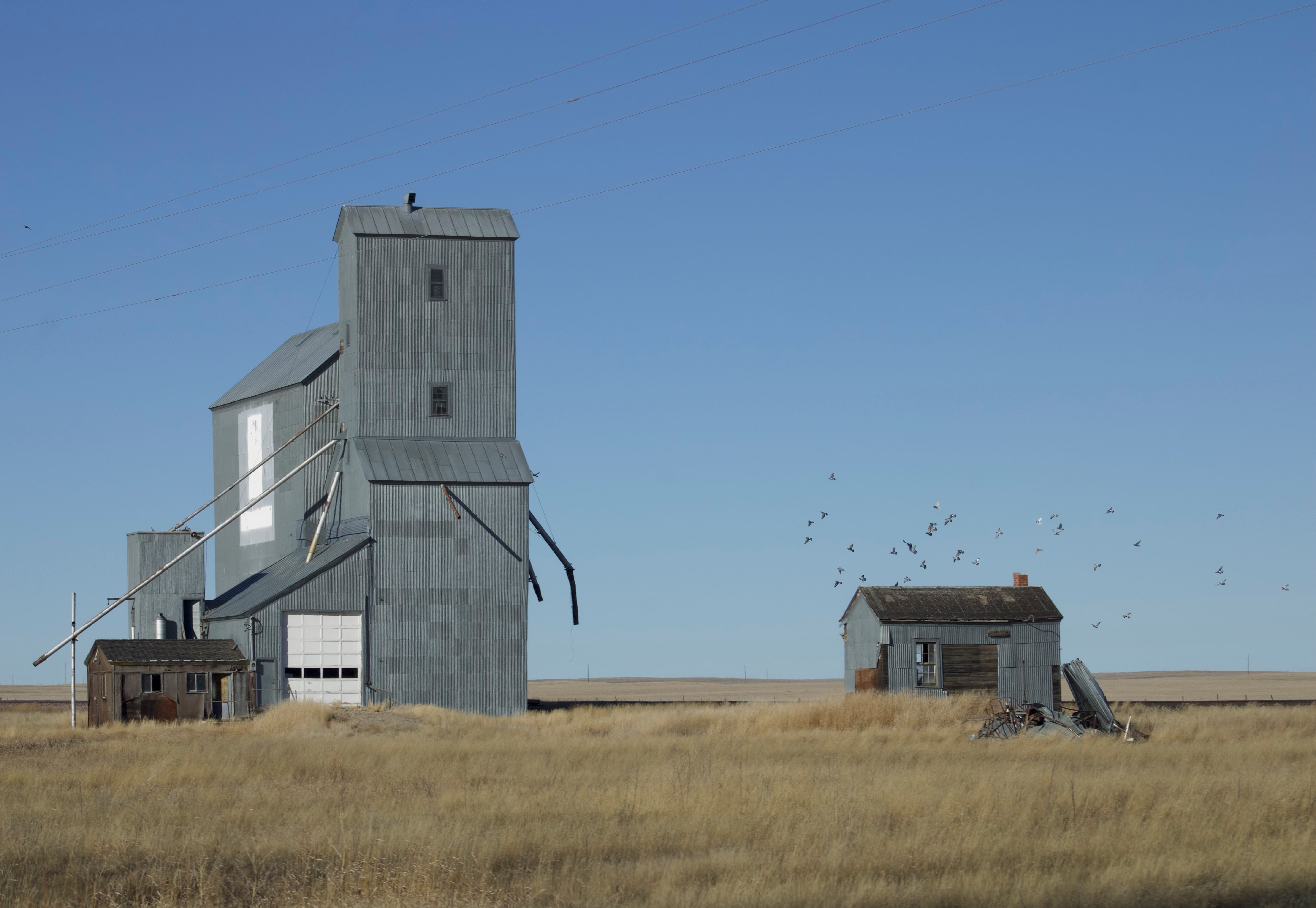
The HiLine is also home, in Montana, to four Indian reservations, doubtless in part because that bleak land is demanding, hard to farm, poorly watered away from any rivers, rough on ranching. In other words, white people didn’t want it. This isn’t entirely accurate, as some of those lands were part of the aboriginal homelands to those tribes, whose seasonal migrations followed the buffalo herds and other food sources, knew where to camp and when. But if you’re a white government looking to pin a whole people down, do it on land white settlers are least likely to want.
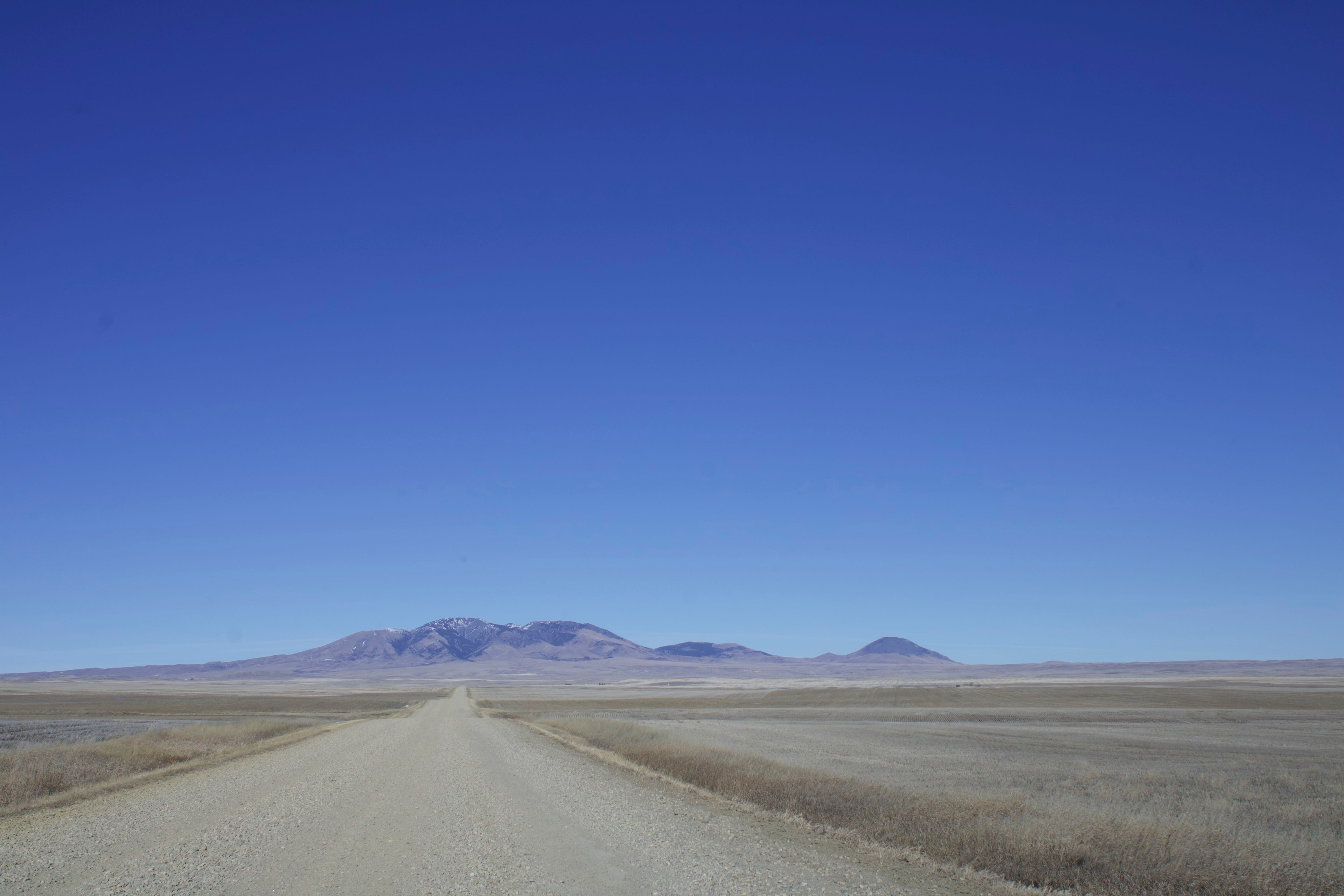
That eventuality is what brings me to the HiLine over and over. Due to decades of destructive policies under the guise of assimilation, including treaty abrogation, land theft, boarding schools, and criminalization of spiritual practices, many (most?) tribes are hurtling toward language endangerment. Dedicated people in every tribal community have committed their entire lives to language revitalization: writing grammar texts, teaching classes day and night, attending conferences, and meeting with me to develop online resources for their communities to use. These trips, building relationships with people, learning to trust and be trusted by them, developing friendships, even…this is work I thoroughly, gladly immerse myself in.
And now I will drop my informational tone and tell you why I’m really writing this newsletter.1 Something I’m often asked to do is align school curricula with Montana’s Indian Education for All law, an important mandate that all students learn about Montana’s first people in culturally responsive ways.
To accomplish this task, I have to review what’s already available. And I have been reading some history texts that have enraged me: the terminology, the misinformation, the omissions! Here’s a case study via one image I reviewed.
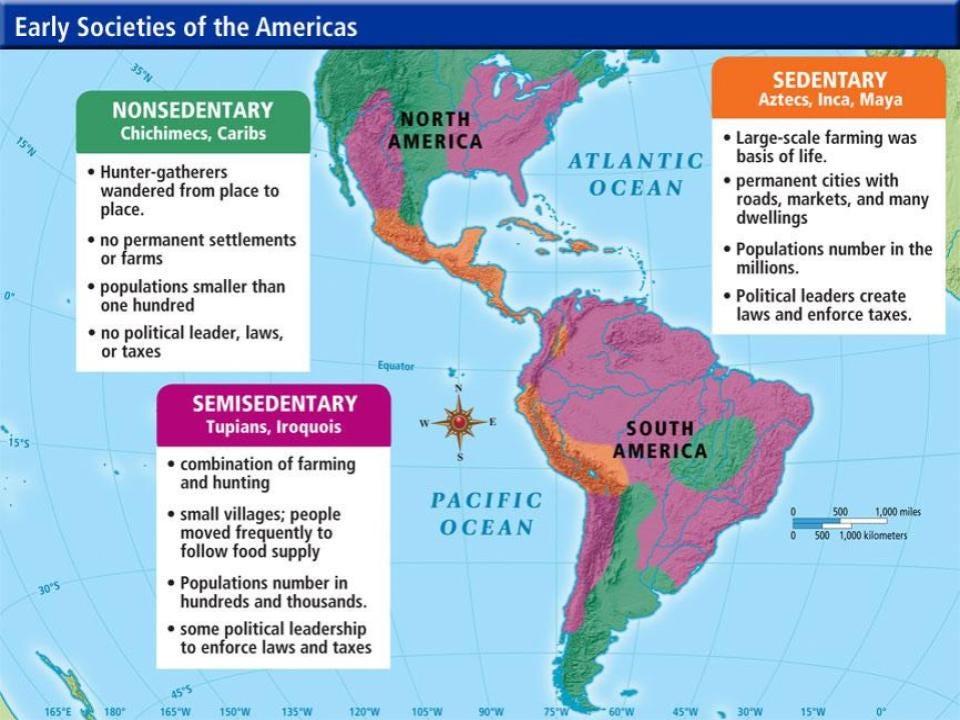
First of all, text preceding this map stated that the “sedentary” societies were the most sophisticated, presumably because those people farmed and built permanent lodging. The word “sophisticated” confers positive judgment about the value of those communities and the people they comprised. When considered alongside the orange box of characteristics above, the word suggests that people who lived in large population centers and farmed were superior to those who did not.
Contrasting those characteristics with the green box, you can see a number of falsehoods: hunter-gatherers did not “wander from place to place.” They deliberately followed migratory patterns, used established camps at certain times of the year, knew where to find food, water, and supplies, and interacted strategically with other tribes. They did not lack a political leader or laws. The amount of misinformation in those four bullet points is stunning. Adding “unsophisticated” to the mix reveals the writer’s bias.
When the curriculum thread reached westward expansion, there was one five-sentence paragraph about the entire era,2 ending with these two sentences:
Over time, many tribes felt as though the treaties had been broken and their way of life was coming to an end. Ultimately, the United States military would become involved in the final years that the frontier was settled.
That last passage…must I describe how much it omits, how the diction softens the outrage, how it quiets the violence?
This is what I mean to say: The individuals who signed and broke treaties and who stole children away and who terminated tribes and who tried to crush ceremony and spirituality, those are the same individuals writing these history texts, and they are the same individuals disappearing brown people from the streets. I don’t care about the time spans between them all.
It comes down to intent: the intent to erase.
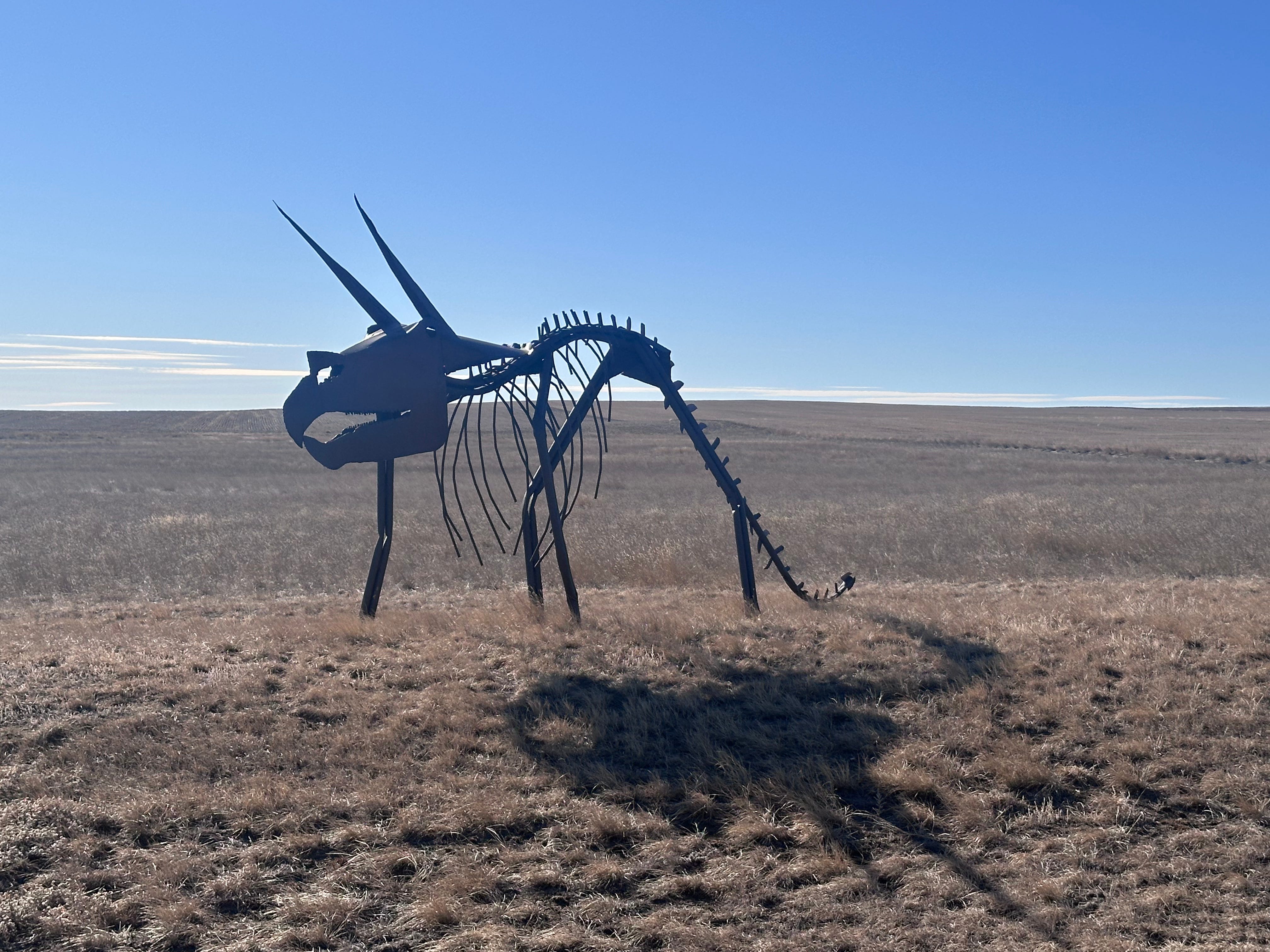
Aside from sharing trip photos of course
you know, manifest destiny: that era of US history when white people flooded west by the hundreds of thousands, squatted on Indigenous lands, let their cows eat all the grass, dug into the ground looking for gold, shot the buffalo, cut down trees for buildings, diverted the water for themselves…and then threw hissy fits when the current occupants objected, violently or otherwise.
Your profound ability to narrate personal reflections on the road and tying in history and education is second to none. I deeply appreciate this post. James Loewen talks about this erasure in Lies Across America when addressing a historical marker about “roving” Indians near where I grew up. It’s the same convenient myth used by Jackson and presidents before and after him. Thanks for every word you write.
Thanks, Anna! Appreciate you including education as resistance in the class! Resist this narrative and find the other voices.